Mountain bikes and road bikes are built for opposite jobs. One is made to stay in control on rough ground, the other to go fast on smooth pavement. The right choice has less to do with price than with where you’ll ride most weeks.
Where will you ride?
If most of your riding is on trails, gravel or broken streets, a mountain bike handles it comfortably. If you ride paved roads and bike paths and want to cover distance, a road bike turns the same effort into more speed.
Tires and suspension
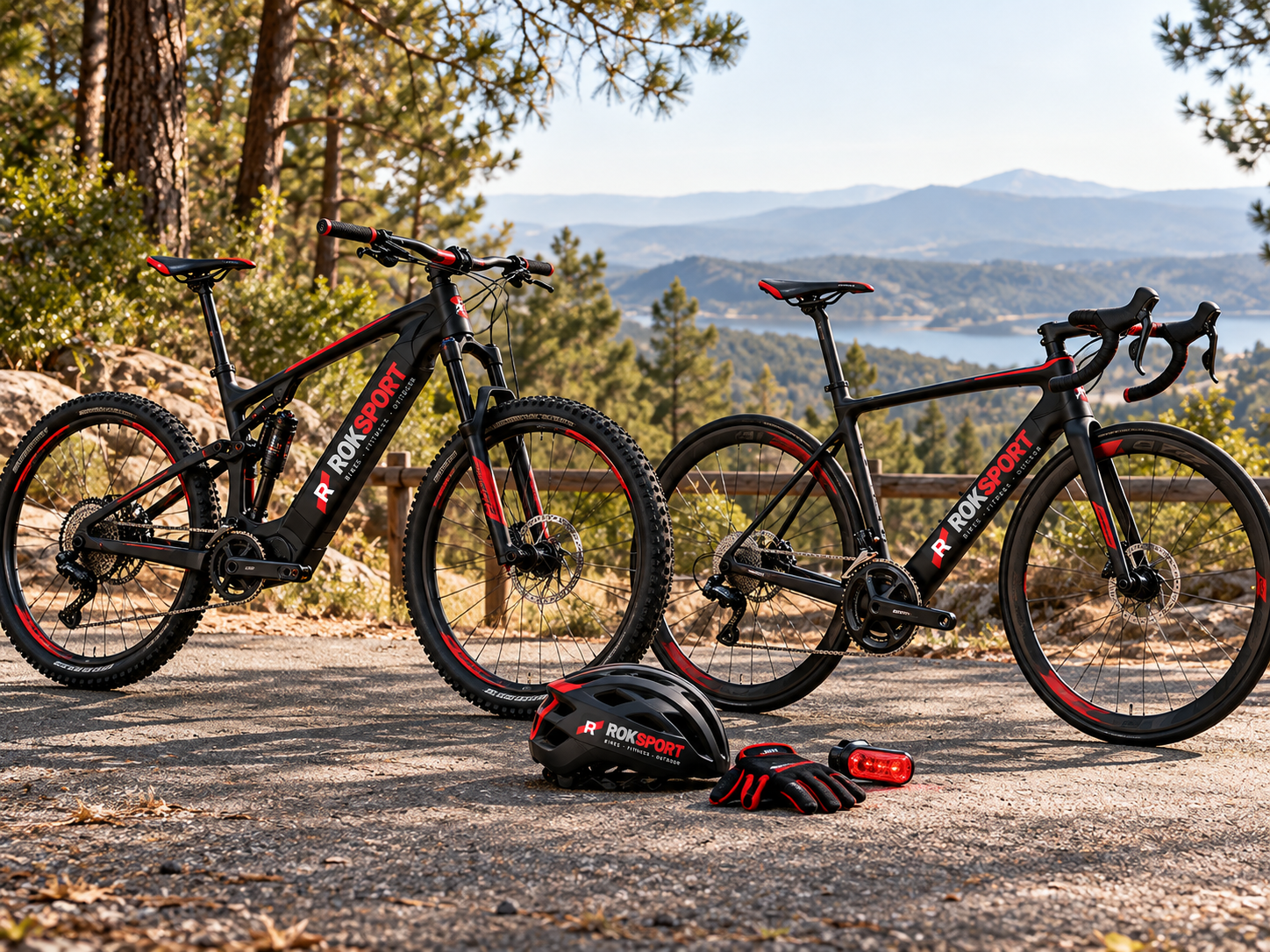
Mountain bikes use wide, knobby tires and front or full suspension to grip loose ground and absorb bumps. Road bikes use narrow, smooth tires at higher pressure and no suspension, which makes them lighter and faster but less forgiving on rough surfaces.
Riding position and comfort
A mountain bike’s flat handlebar puts you in a more upright position with good visibility and control. A road bike’s drop handlebar leans you forward, which is more efficient over long distances but takes some getting used to.
Gears, weight and upkeep
Mountain bikes have low gears for steep climbs and are heavier because of their suspension and stronger frames. Road bikes are lighter with gearing aimed at speed. Suspension adds parts to maintain, while narrow road tires are more prone to punctures on poor surfaces.
Quick guide
- Trails, gravel and rough streets: mountain bike
- Paved roads, fitness rides and distance: road bike
- Hills on the commute or extra range: consider an electric bike
- Whichever you pick, get the frame size right first
Ready to choose? Browse our bicycles, all with free shipping and 30-day returns.